Minimally Invasive Spine Surgery
Advanced spine care with smaller cuts, less pain, and a faster path back to the life you love.
What You're Feeling
Nagging neck or back pain... it’s stopping you from living fully.
How We Fix It
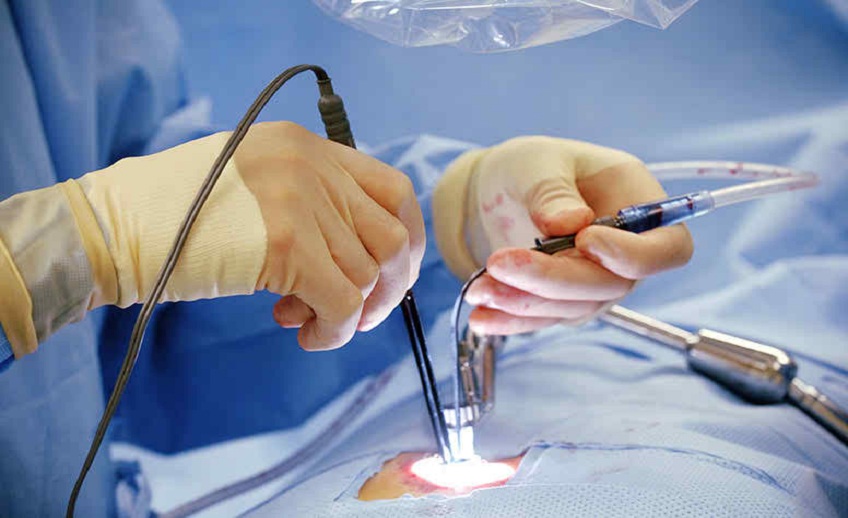
MISS is all about precision with less disruption...
Our Treatment Approach
We don’t believe in cookie-cutter care...
- • Comprehensive imaging to target exactly what’s causing your pain
- • Minimally invasive techniques to reduce scarring and trauma
- • Smaller incisions mean less blood loss, faster healing
- • Post-surgical plans that prioritize mobility and comfort
- • Clear milestones to track your comeback step by step
- • Accessible, real-world guidance every step of the way
What You Can Expect
This isn’t just about getting back on your feet—it’s about reclaiming your freedom.
- • Shorter hospital stays—or even same-day discharge
- • Less post-op pain and fewer complications
- • Faster return to daily routines, work, and workouts
- • Smaller scars, but bigger results
- • Improved mobility and reduced nerve symptoms
- • More confidence in your body’s strength and movement
- • Support from a care team that actually has your back—literally
Conditions We Treat
Herniated Discs
When a spinal disc pushes out and presses on nerves, it can cause severe back or leg pain. We use tiny incisions and specialized tools to remove the damaged disc portion and relieve pressure—without the long recovery of open surgery.
Spinal Stenosis
This condition narrows the spinal canal, compressing nerves and causing pain or numbness. Minimally invasive decompression creates more room for your nerves while preserving healthy tissue and speeding up recovery.
Degenerative Disc Disease
As discs wear down with age, pain and stiffness can follow. MISS techniques help remove or stabilize damaged discs with less muscle disruption, helping you bounce back faster.
Sciatica
When the sciatic nerve is pinched, pain shoots down your leg. MISS can relieve pressure with tiny tools, so you can walk and sleep comfortably again—without a big scar.
Spinal Instability
Conditions like spondylolisthesis can cause vertebrae to shift out of place. MISS fusion or stabilization procedures help realign your spine with less trauma and quicker recovery than traditional surgery.
Compression Fractures
Fractures from osteoporosis or trauma can be stabilized using minimally invasive cement injections (like kyphoplasty), restoring spine strength with minimal downtime.
Why Patients Trust Us
Dr. Jagdish Singh Charan brings over 15 years of experience...
FAQs
What is minimally invasive spine surgery (MISS)?
It’s a modern surgical approach that uses small incisions, high-definition imaging, and specialized instruments to treat spine conditions with less pain, blood loss, and downtime than traditional open surgery.
Am I a candidate for minimally invasive spine surgery?
If you’ve tried rest, medication, and physical therapy without lasting relief, and imaging shows a clear problem (like a herniated disc or spinal stenosis), you might be a good candidate. A consultation can confirm it.
What are the benefits of minimally invasive surgery?
Smaller incisions, less blood loss, shorter hospital stays, quicker recovery, reduced scarring, and lower risk of infection. Basically: faster healing and fewer complications.
Is the procedure painful?
You'll be under anesthesia during the procedure, and most patients experience less post-op pain compared to open surgery. You'll also get a tailored pain management plan to keep you comfortable during recovery.
How long is recovery after MISS?
Most patients walk the same day and return to light activities within 2–4 weeks. Full recovery can take a few months depending on the procedure and how closely you follow rehab advice.
Will I need physical therapy afterward?
Yes! Guided PT is often part of recovery. It helps restore strength, flexibility, and ensures long-term results. We’ll guide you through every step.
Are the results permanent?
Many patients experience long-term or permanent relief. But like any surgery, outcomes depend on the condition being treated, your overall health, and post-surgery care.