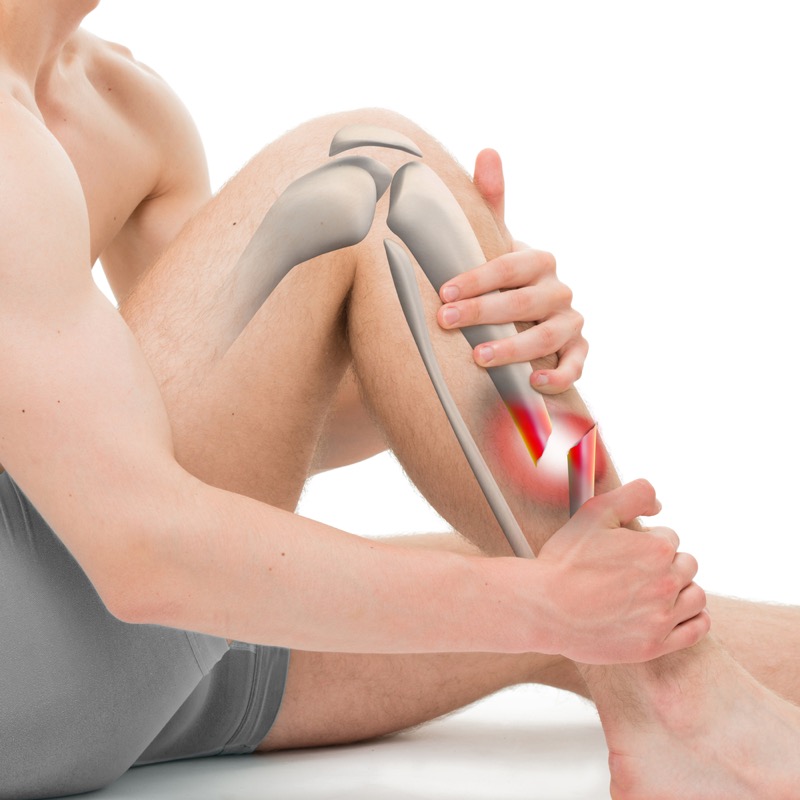
What You're Feeling
Sudden pain, swelling, bruising, or inability to move after a fall or accident? These could be signs of a fracture or traumatic injury that need immediate and expert attention.
How We Fix It
With precise diagnosis, realignment, and stabilization using advanced surgical or non-surgical methods, we help your bones and tissues heal correctly, safely, and quickly.
Our Treatment Approach
Every fracture and injury is different. Our trauma care plan is built just for you—with a goal of full, pain-free function.
- Thorough imaging and accurate diagnosis
- Stabilization using casts, splints, or surgical hardware
- Minimally invasive surgical options when needed
- Personalized rehabilitation for strength and mobility
- Pain management with a focus on safety and comfort
- Continued follow-up until you're fully recovered
What You Can Expect
From injury to full function, our goal is to restore your strength and confidence.
- Rapid pain relief and swelling reduction
- Accurate bone healing and alignment
- Faster return to mobility and activity
- Minimized risk of long-term complications
- Ongoing support throughout recovery
- Trust and compassion every step of the way
Conditions We Treat
Simple & Compound Fractures
From clean breaks to open wounds, we stabilize, align, and protect bones using the right mix of casting, splinting, or surgery.
Joint Dislocations
We reduce dislocated shoulders, elbows, hips, and more—then treat the surrounding damage and prevent future instability.
Trauma from Accidents
Car crashes, falls, or sports injuries—we provide rapid-response trauma care to minimize complications and support full recovery.
Pelvic & Hip Injuries
We treat complex pelvic fractures and hip trauma with expert surgical care, especially important for maintaining mobility in older adults.
Stress Fractures
These tiny cracks from overuse can grow worse if ignored. We diagnose early and support healing with rest, bracing, and modified activity.
Why Patients Trust Us
Dr. Jagdish Singh Charan brings over 15 years of trauma and orthopedic experience. Each treatment plan is built on compassion, skill, and a dedication to seeing you heal fully and fast.
FAQs
What should I do if I think I have a fracture?
If you suspect a fracture—especially after a fall or injury—immobilize the area, avoid putting weight on it, and seek immediate medical attention.
Is surgery always needed for fractures?
Not always. Many fractures heal with casting or splinting, but some need surgical fixation with plates, screws, or rods to ensure proper healing.
What is trauma care exactly?
Trauma care involves emergency treatment of injuries caused by accidents, falls, or impacts—ranging from fractures to soft tissue damage and internal injuries.
How long is the recovery for broken bones?
Depending on the location and severity, bones typically heal in 6–12 weeks. Rehab and follow-ups are essential to regain full strength and function.
Can kids and older adults get different treatment?
Yes—children's bones heal faster and may need different techniques, while older adults often need more support due to weaker bones and slower healing.